Field Day 2026
June 27th and 28th
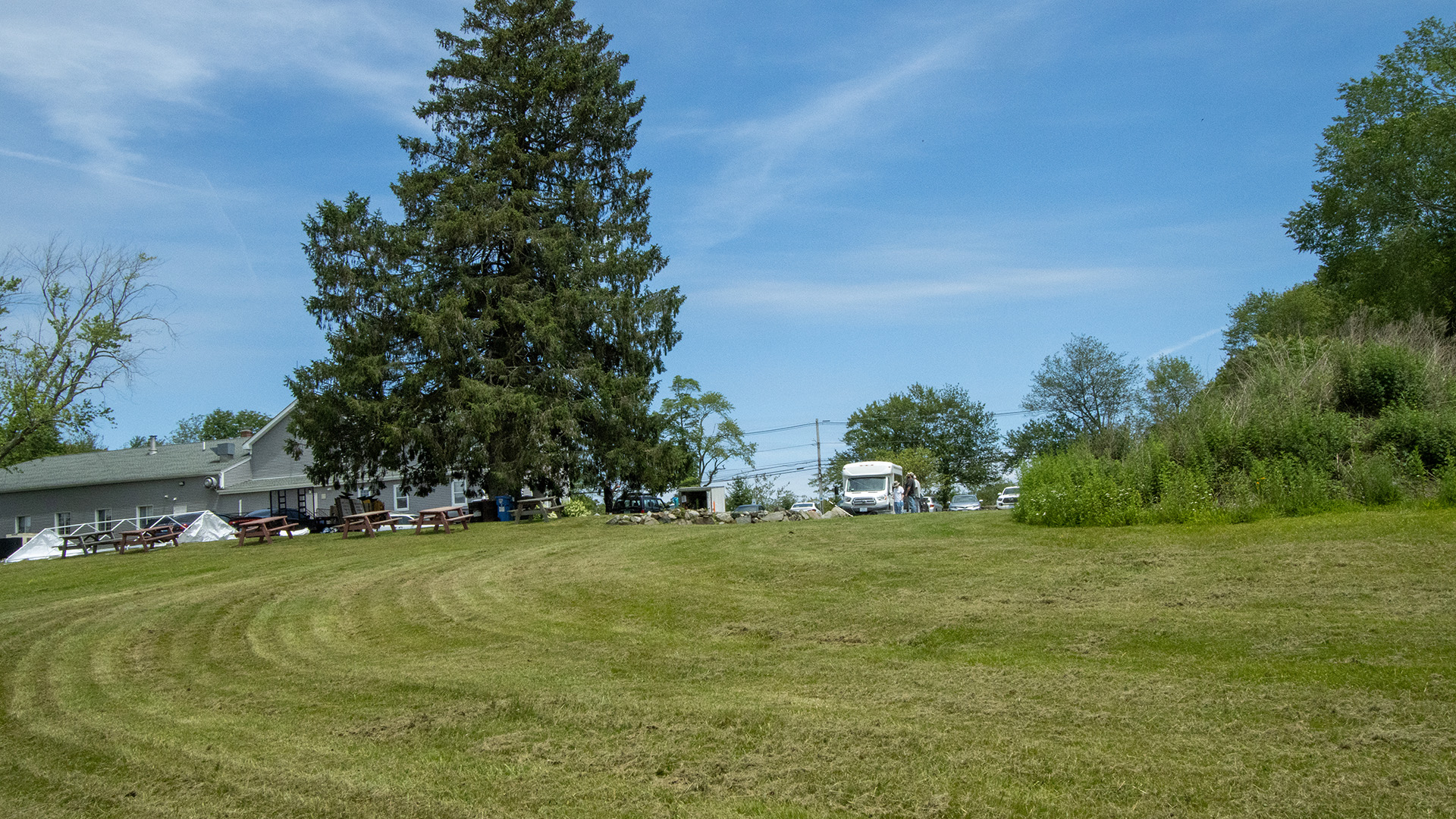
New Location!!! Seagrave Observatory See details below!
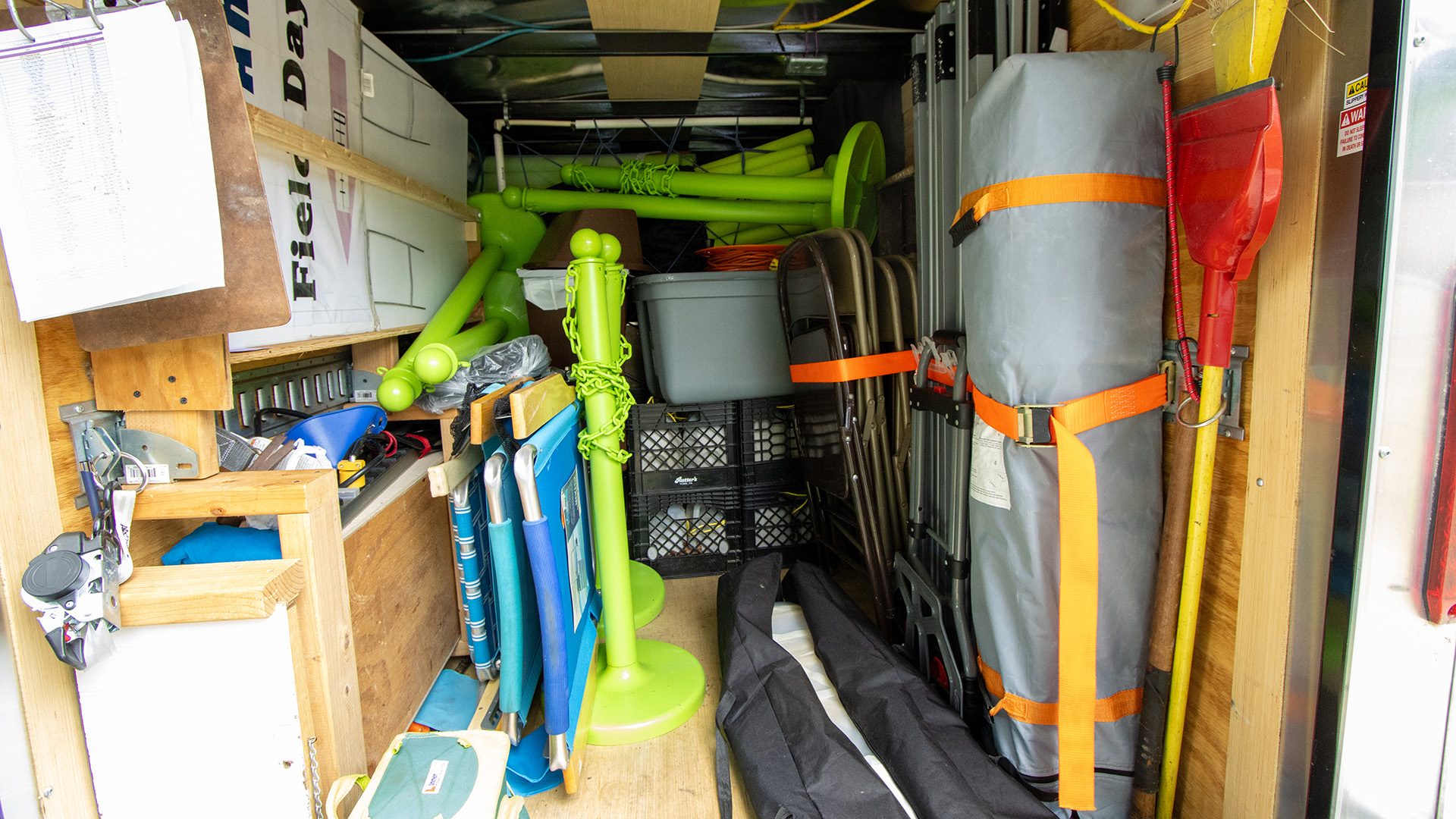
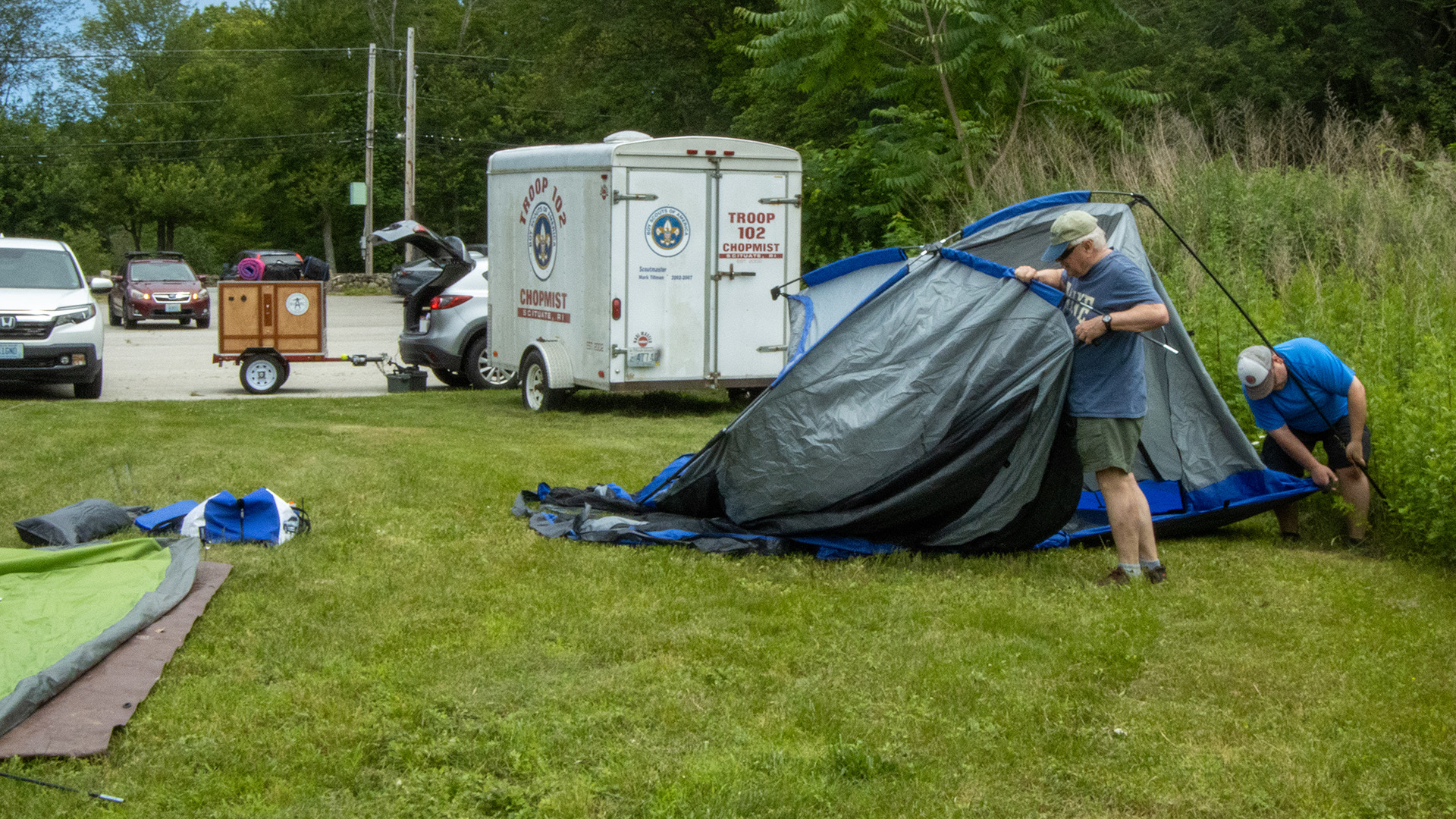
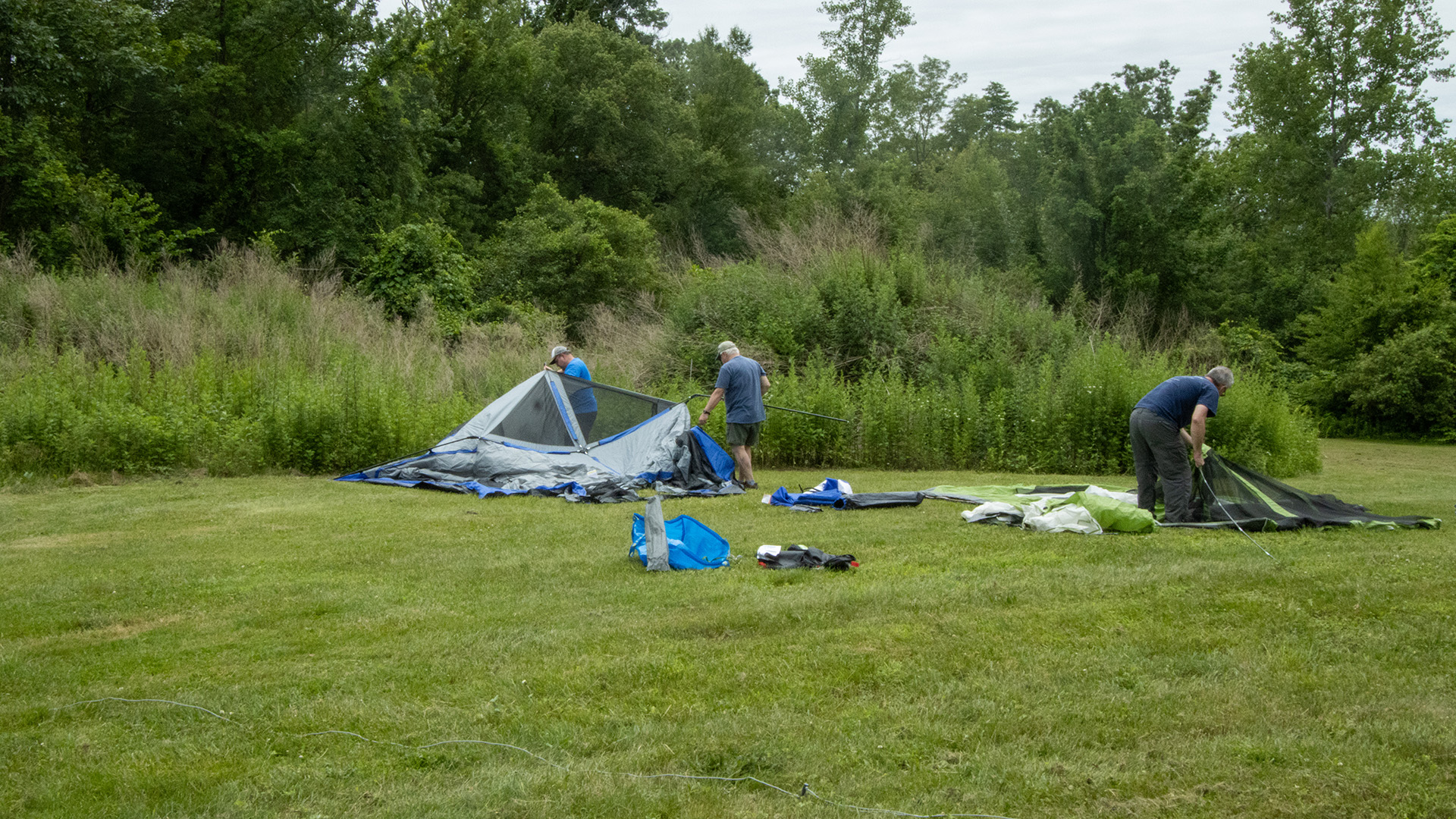
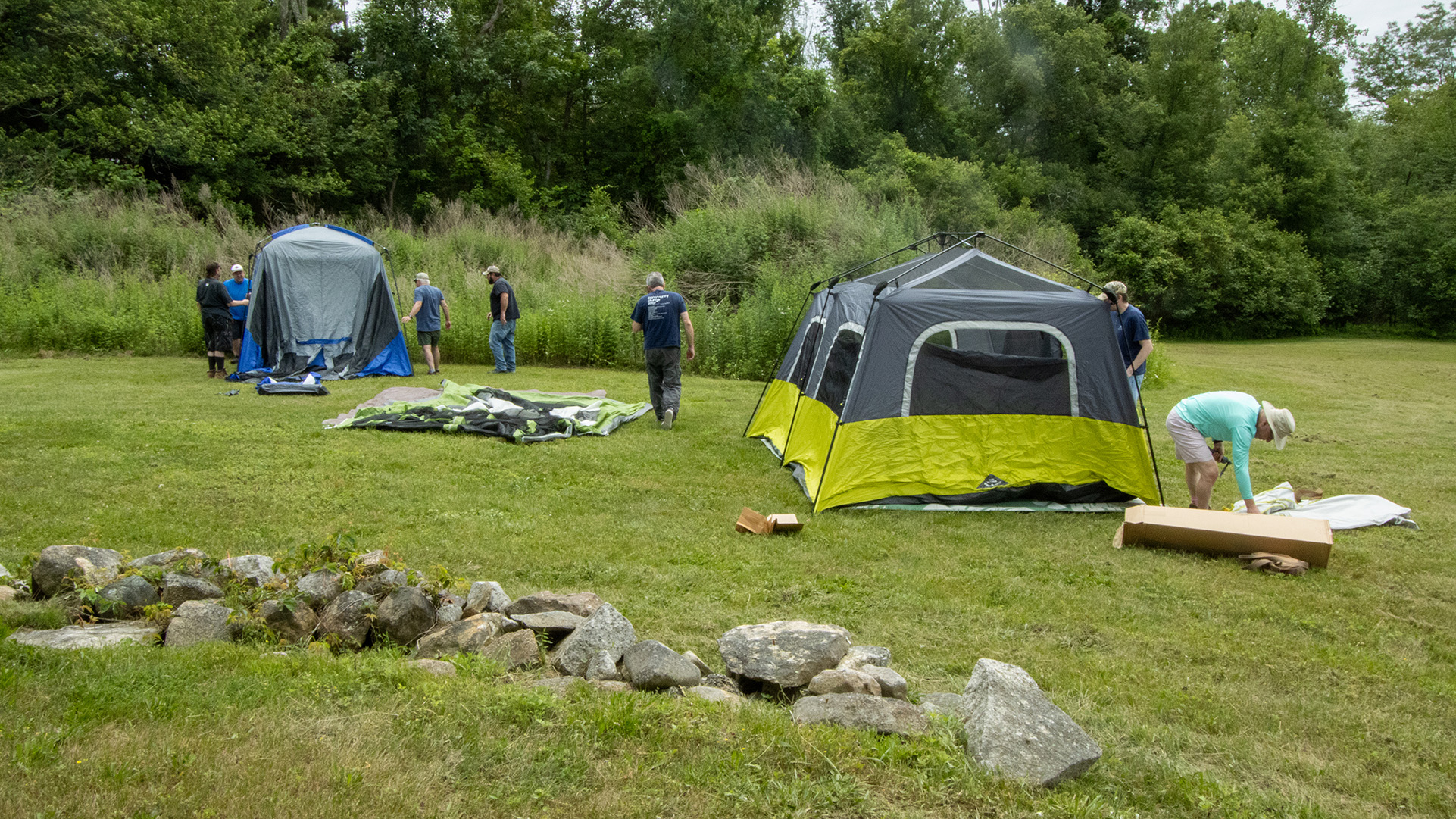
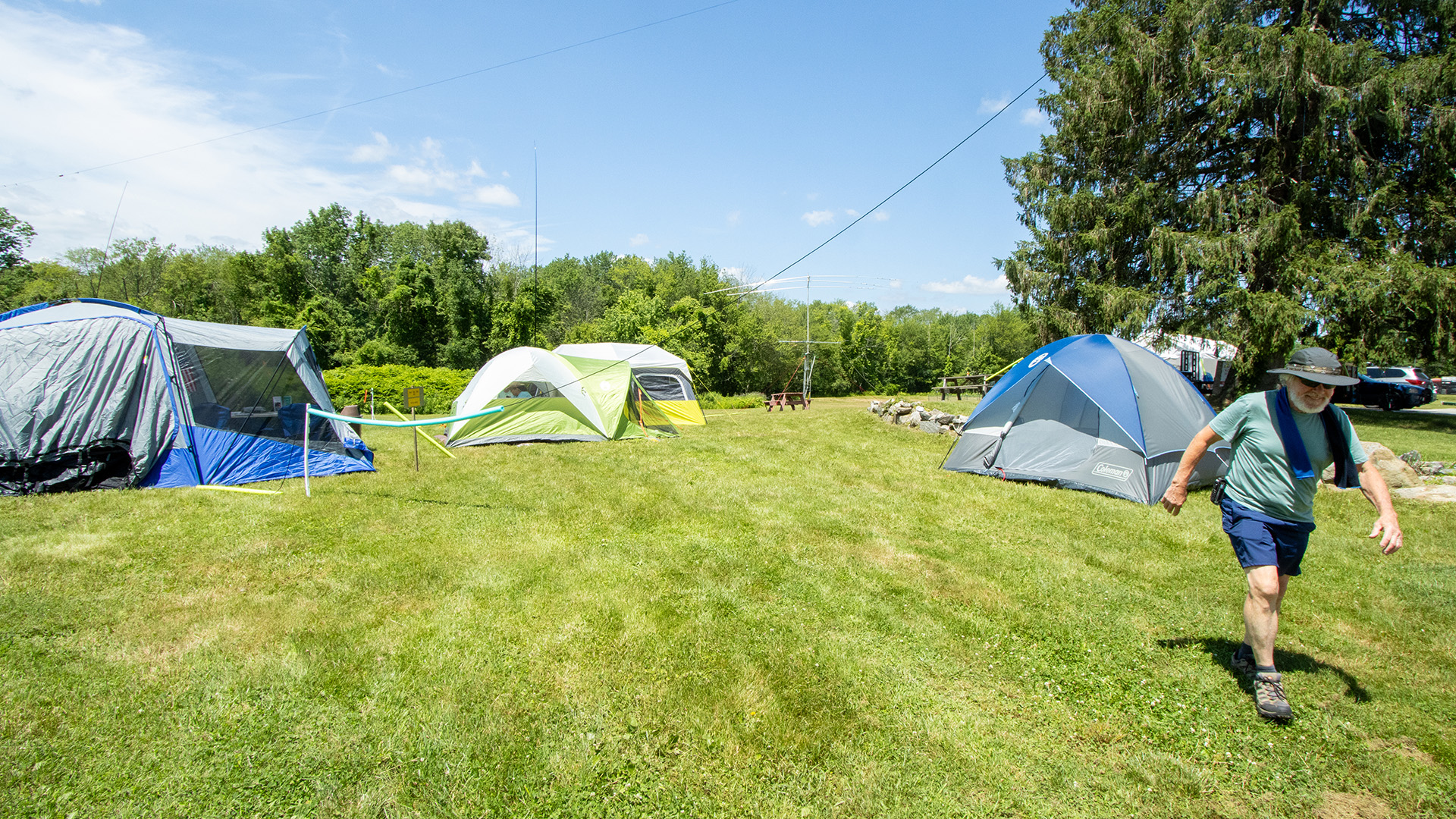
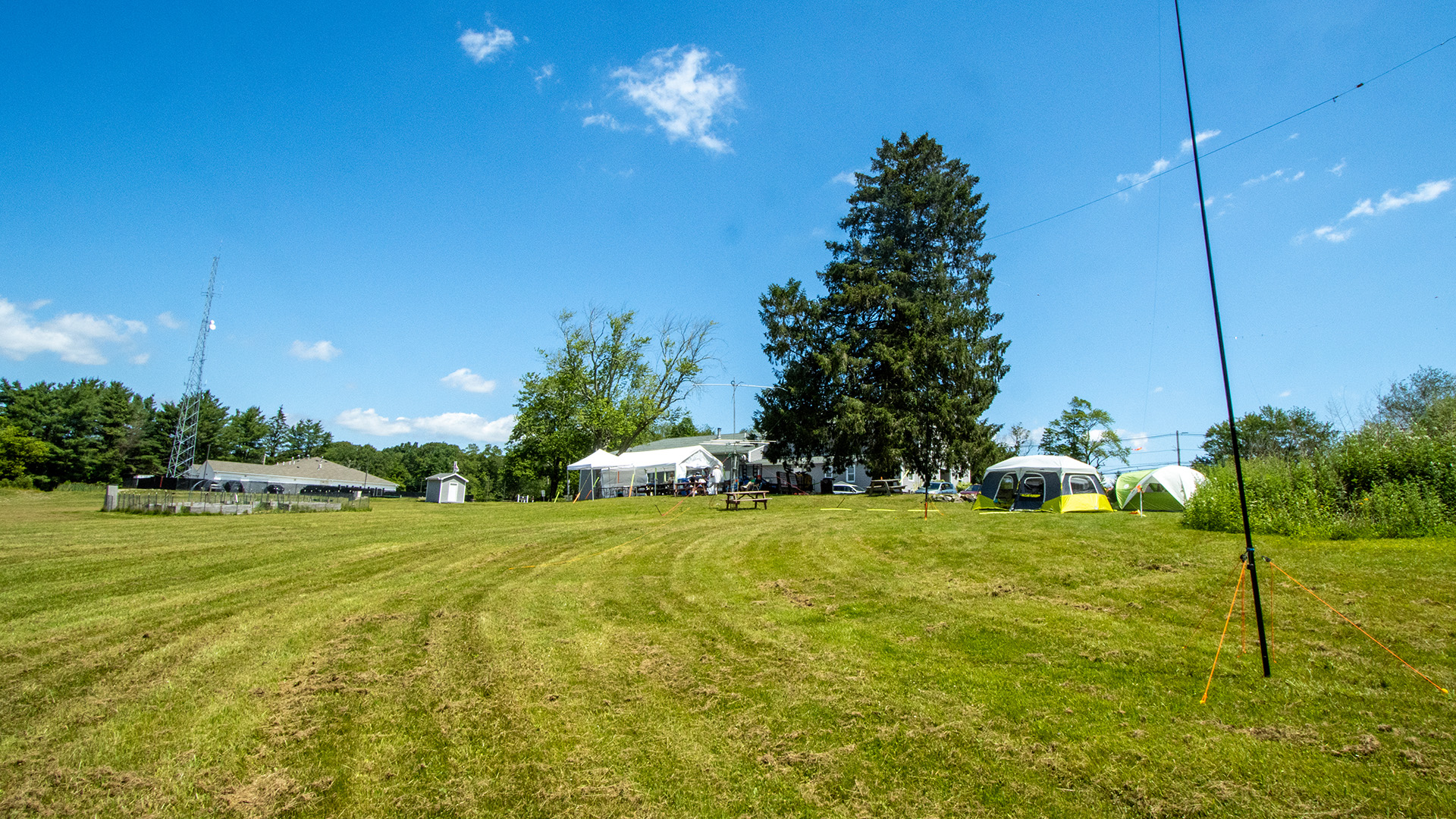
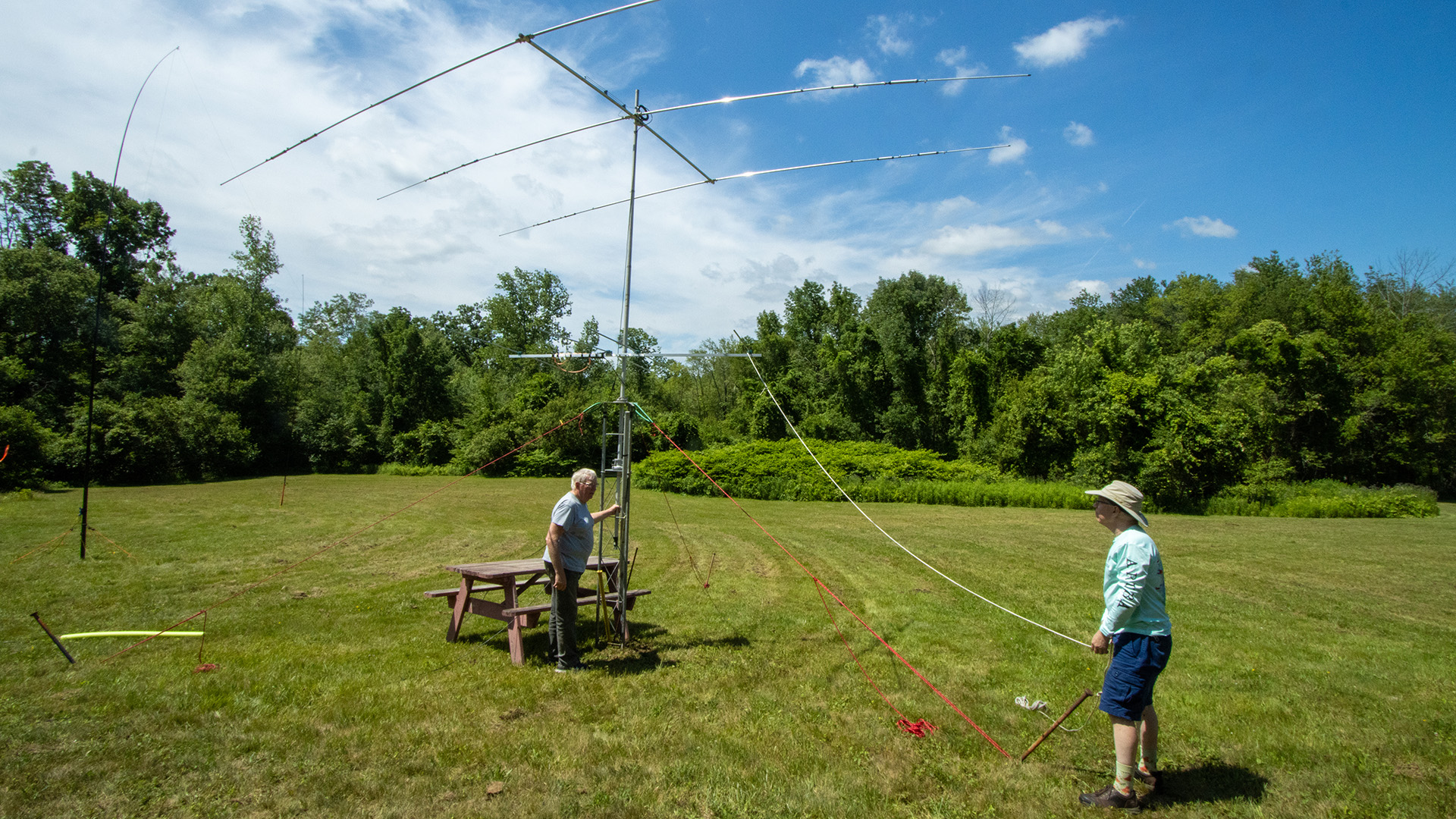
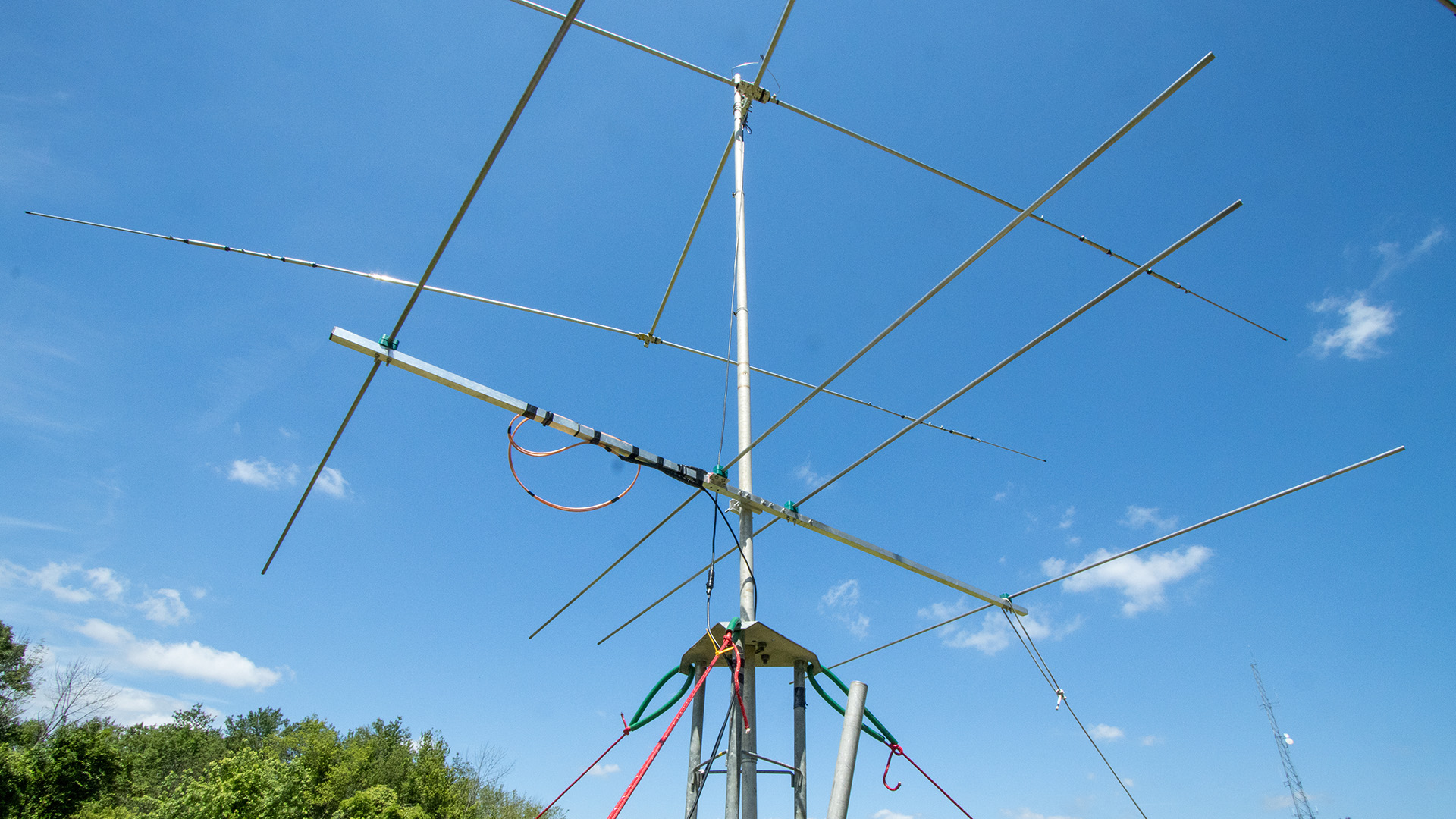
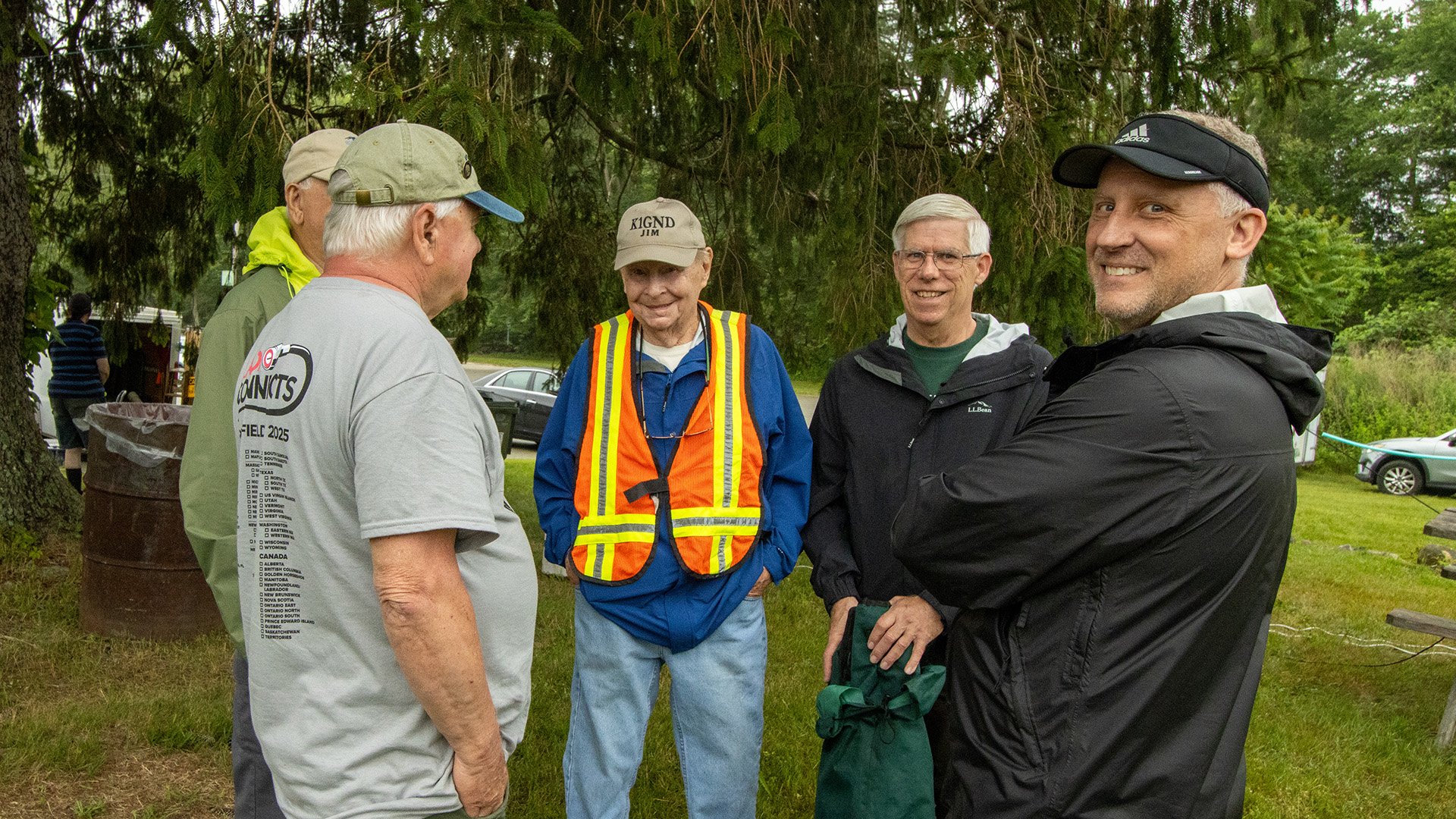
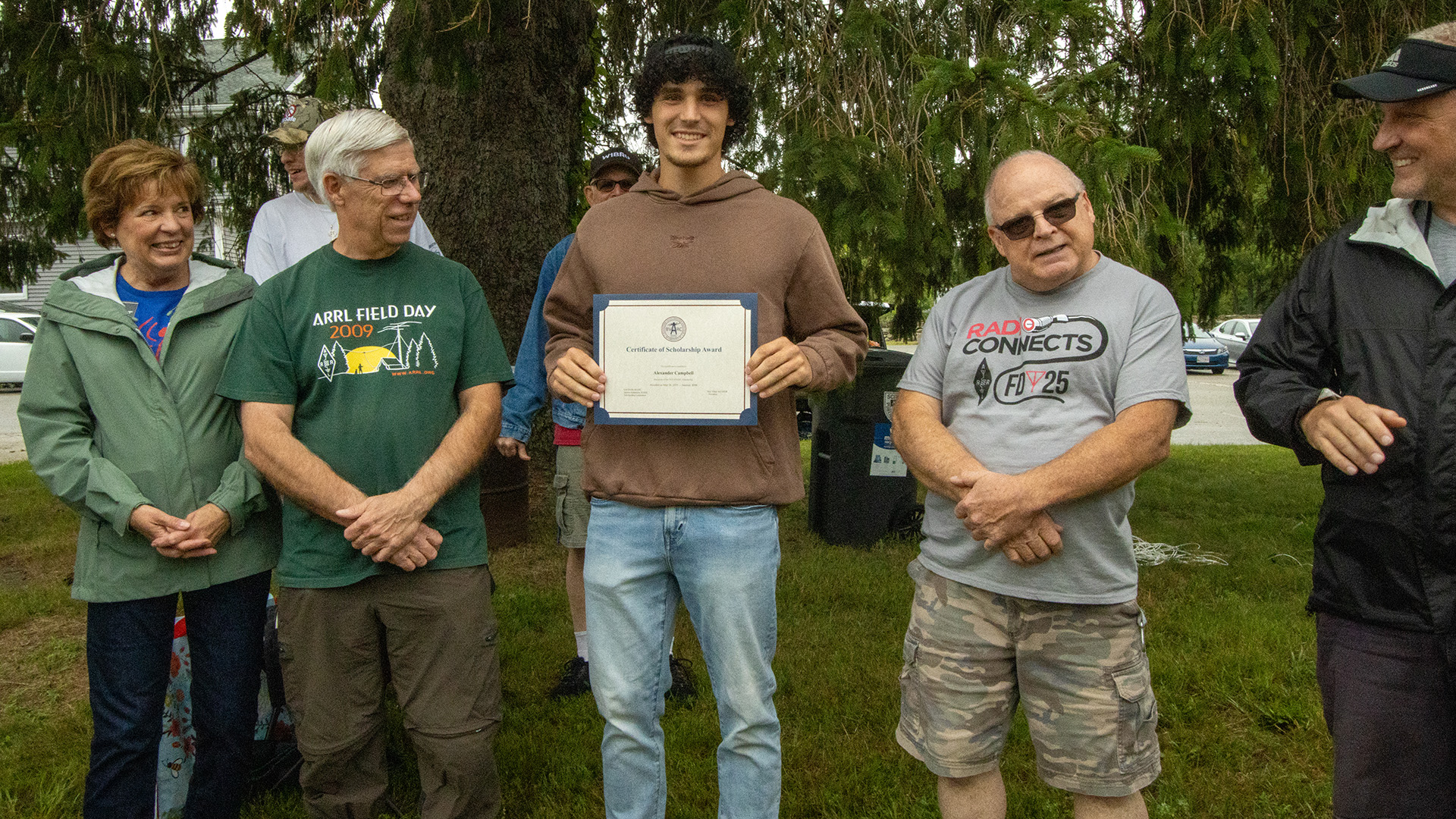
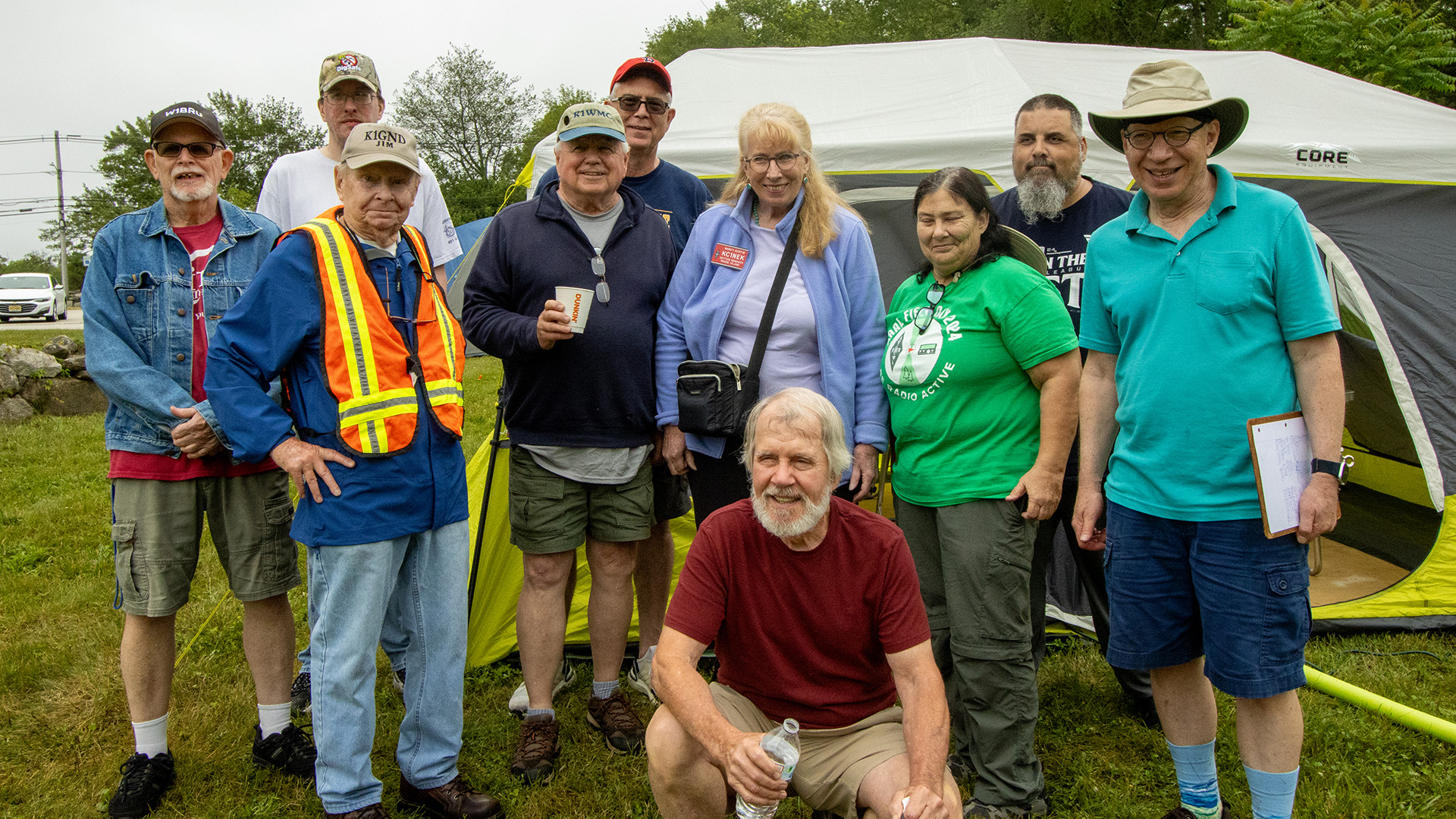
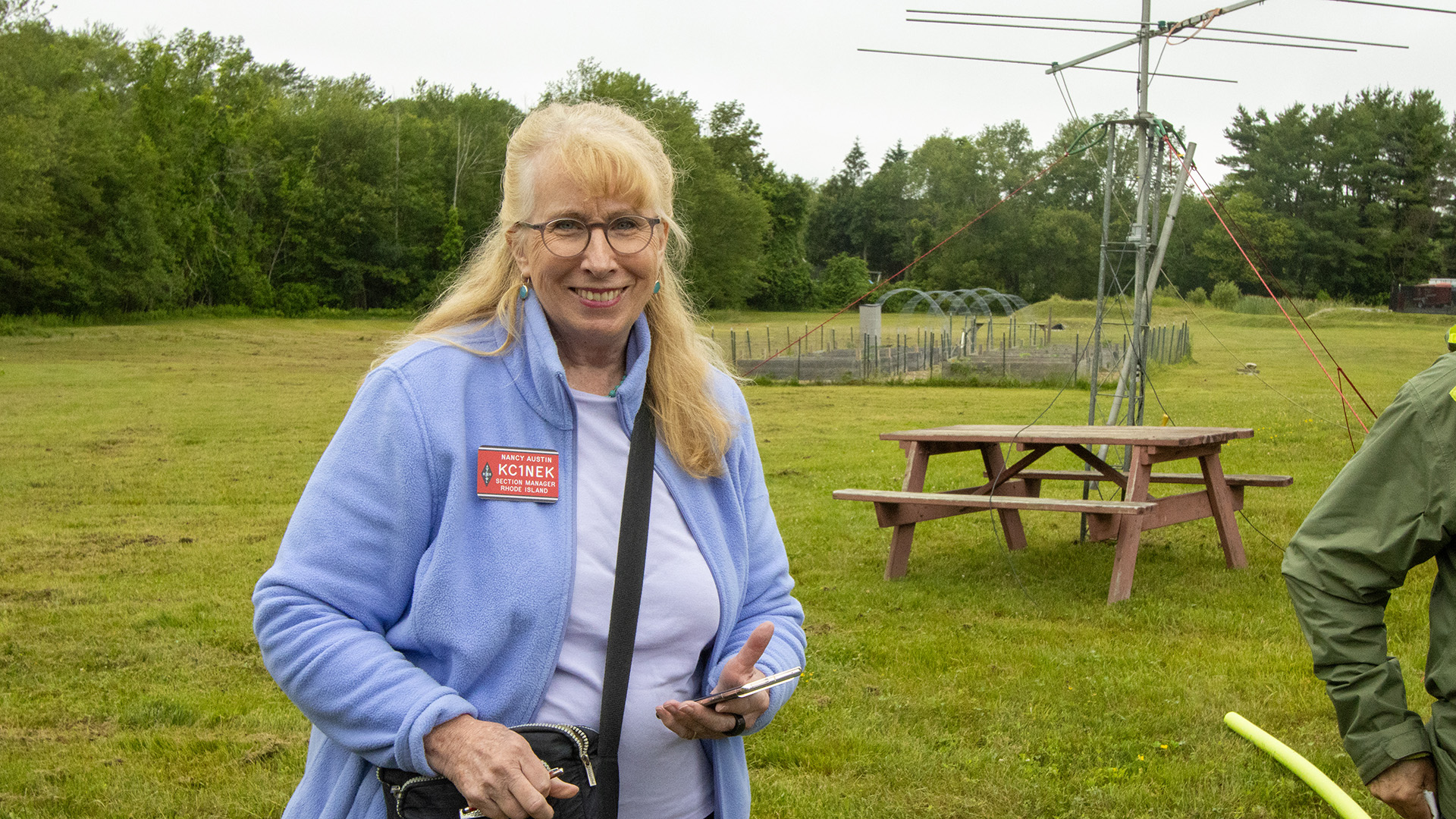
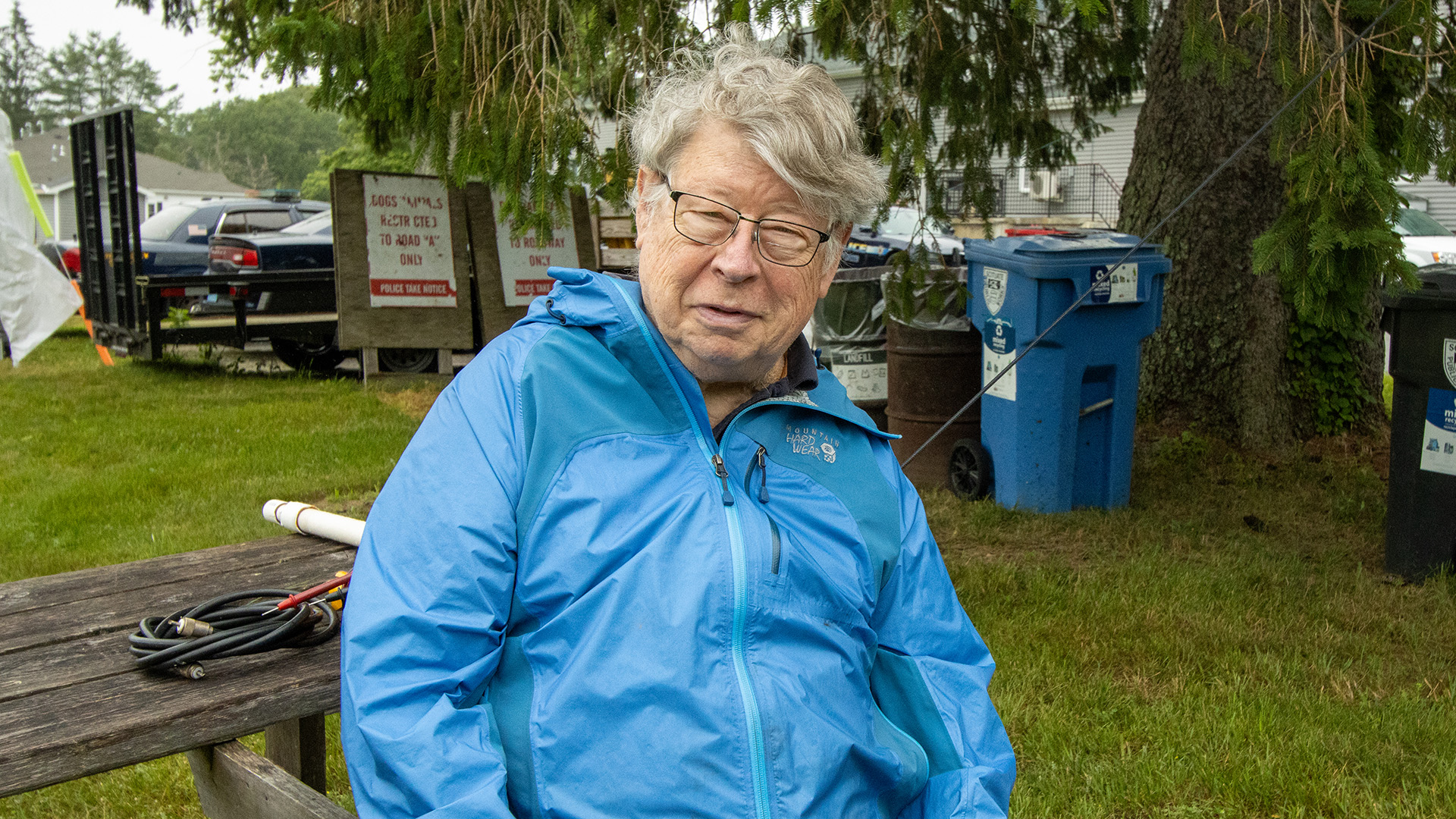
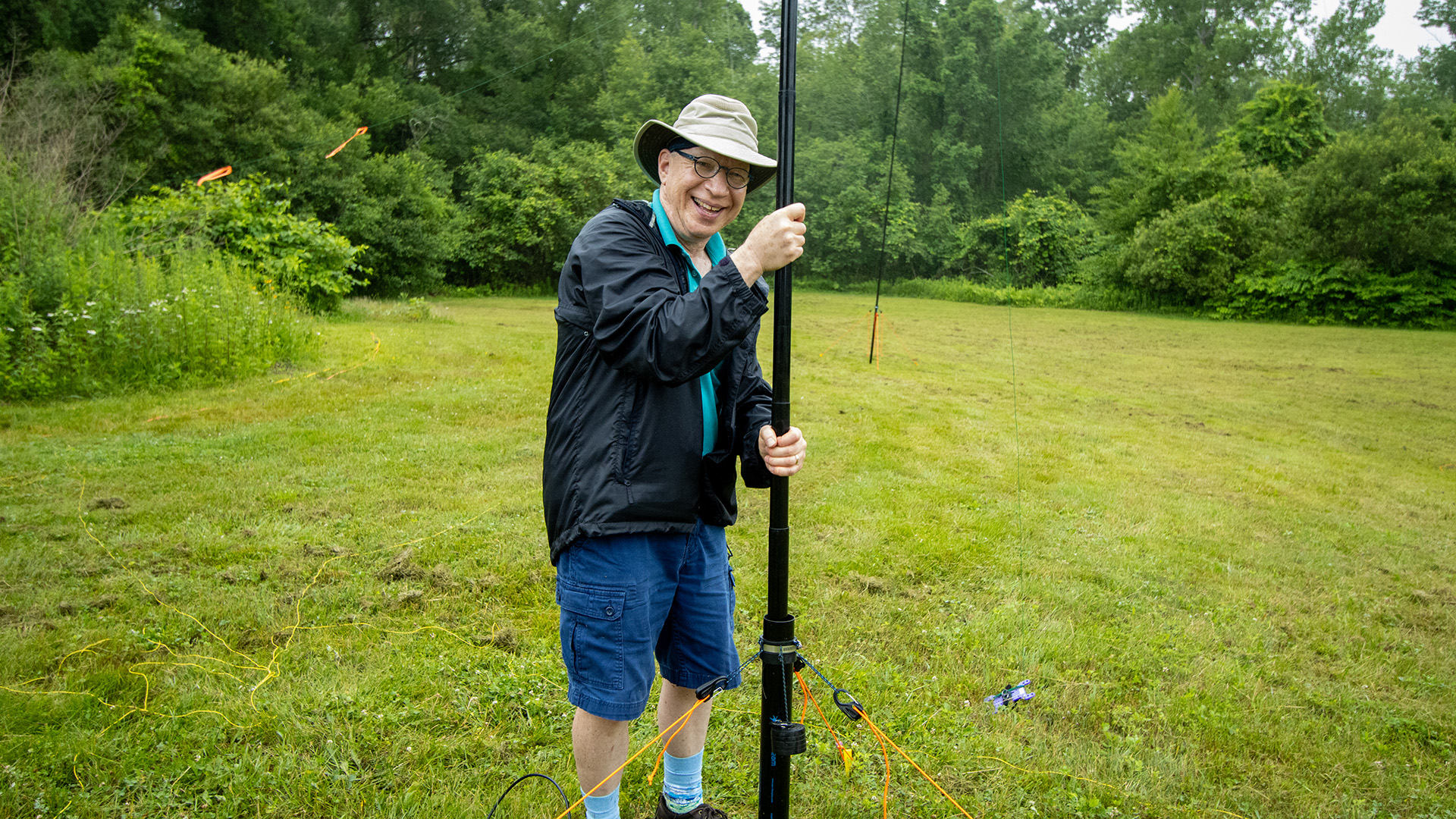
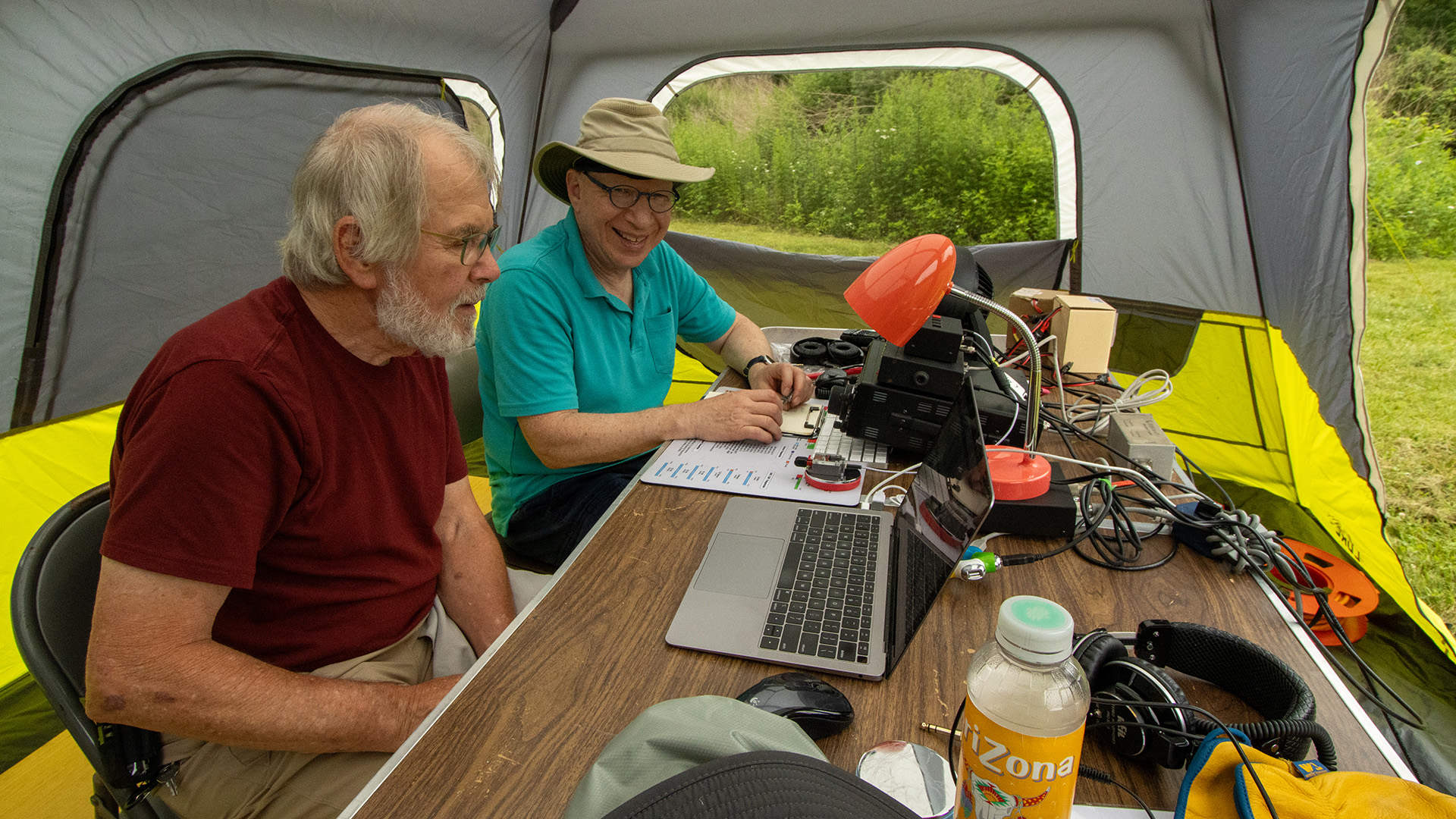
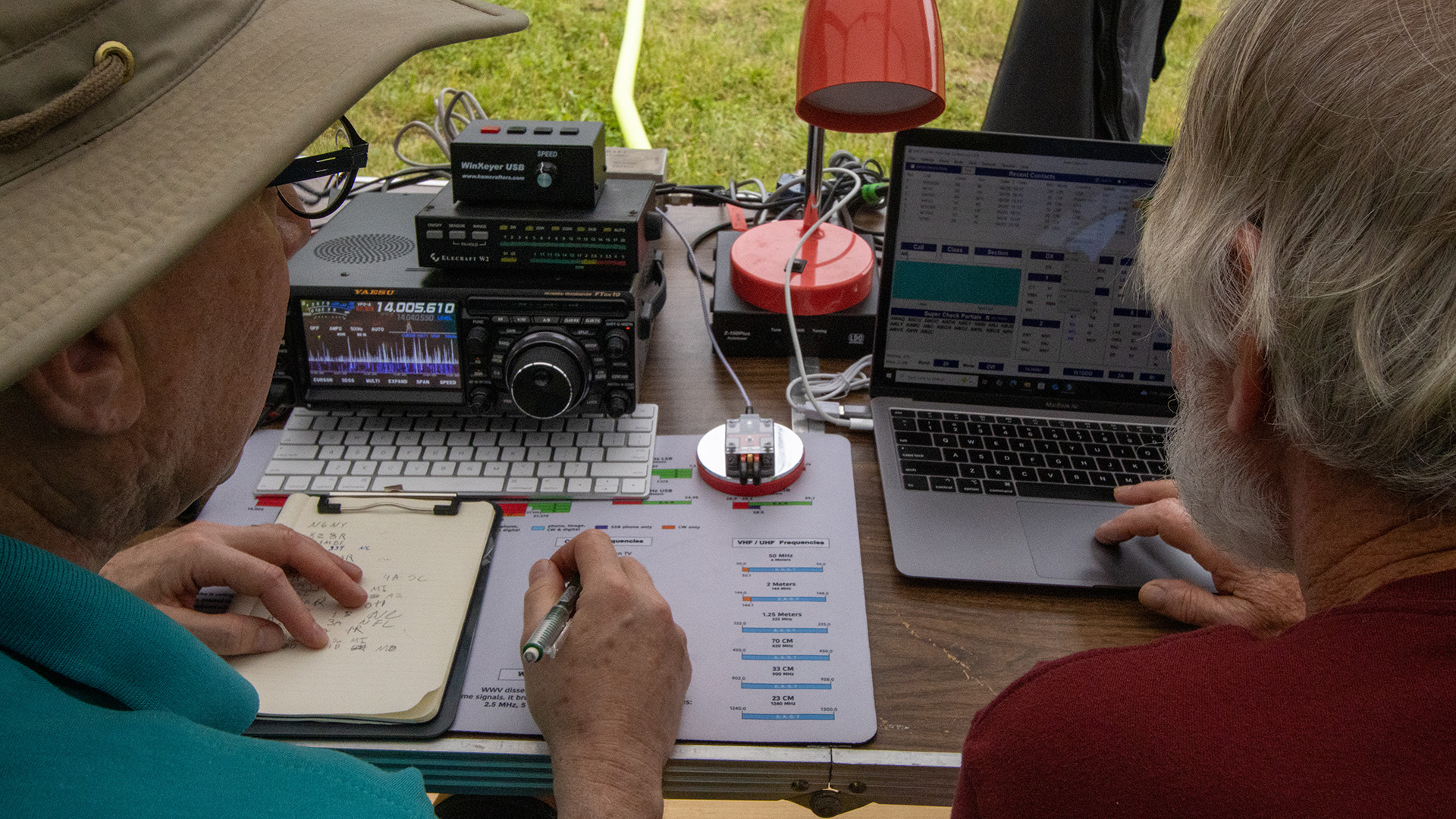
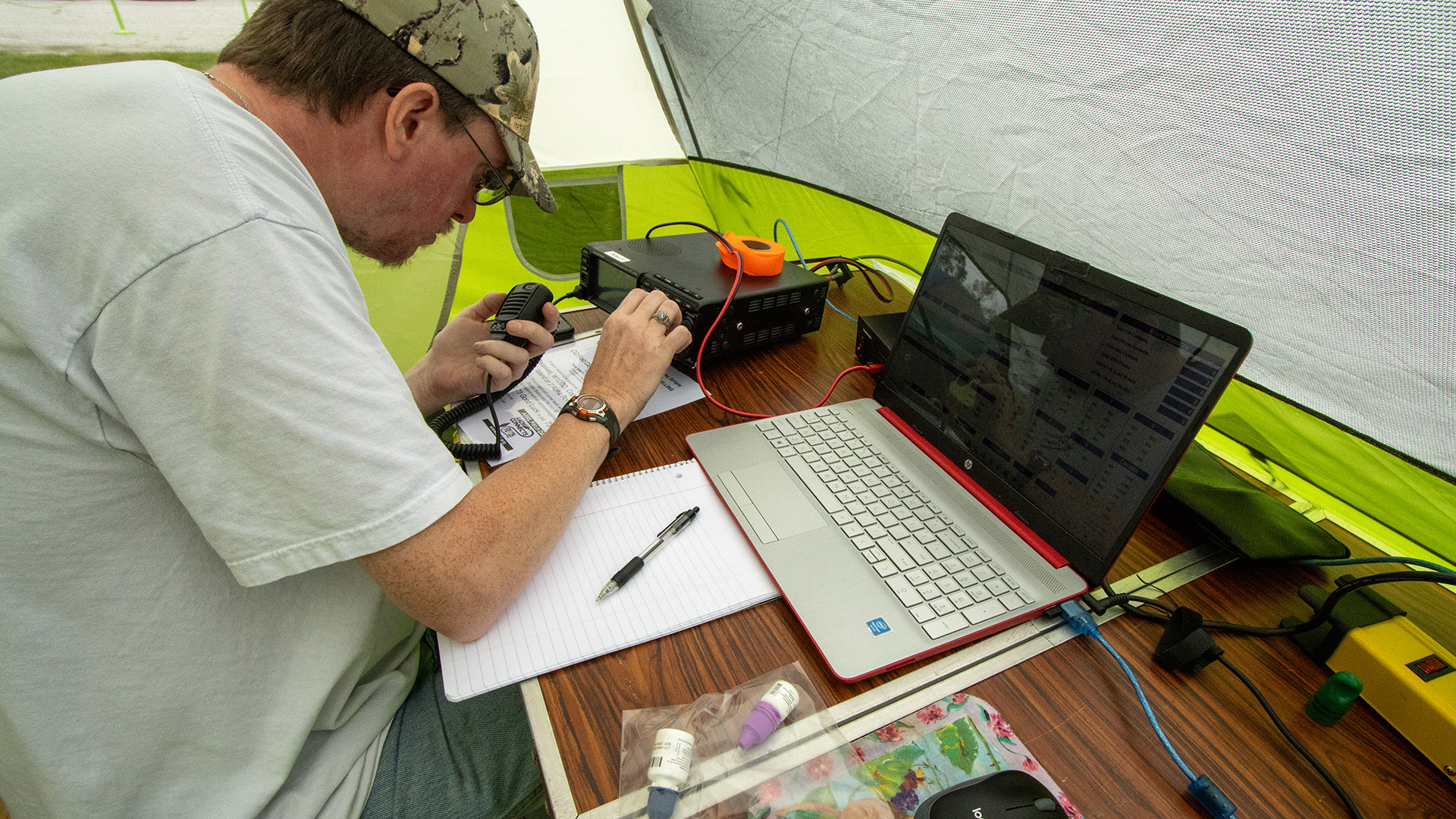
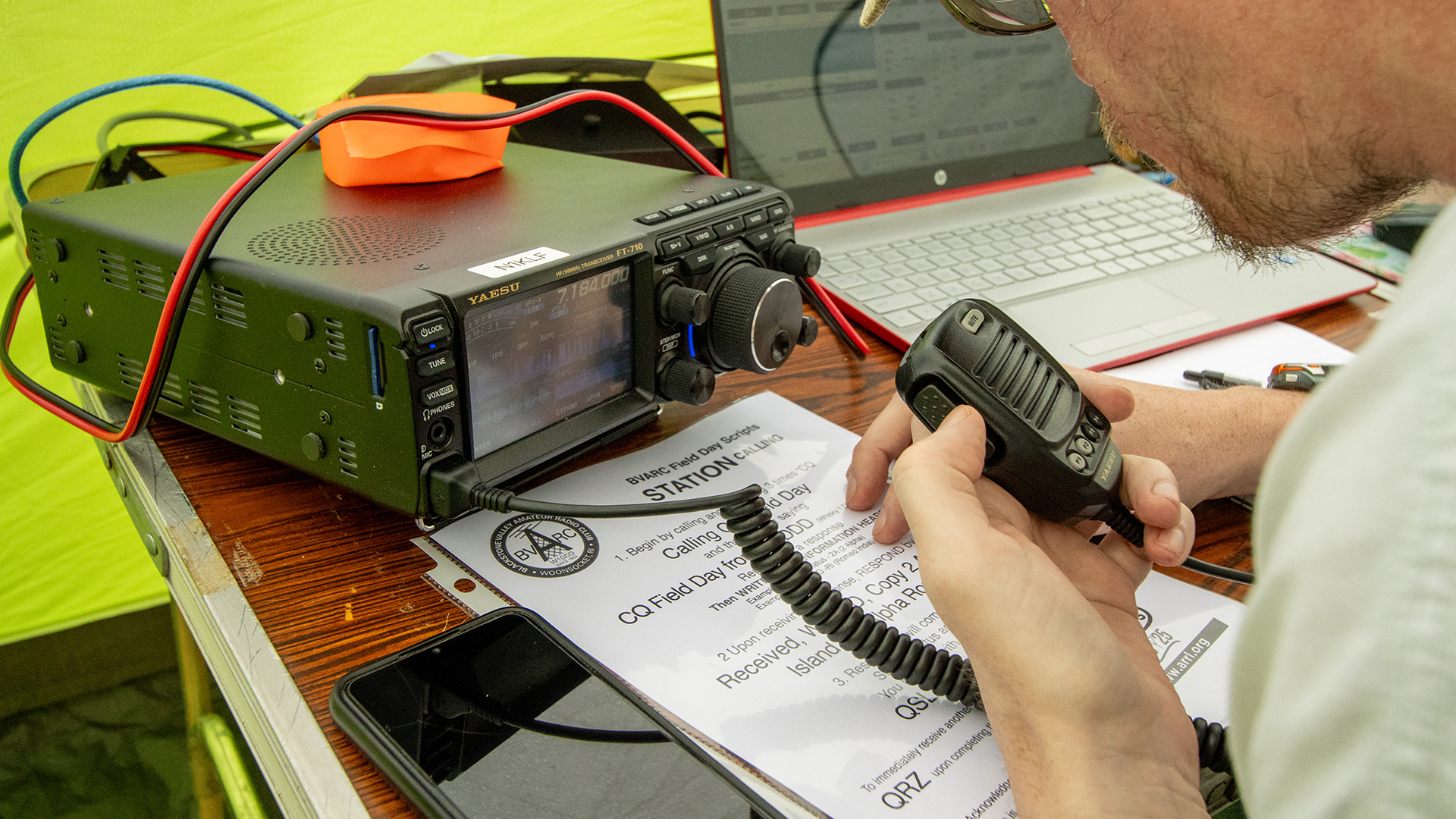
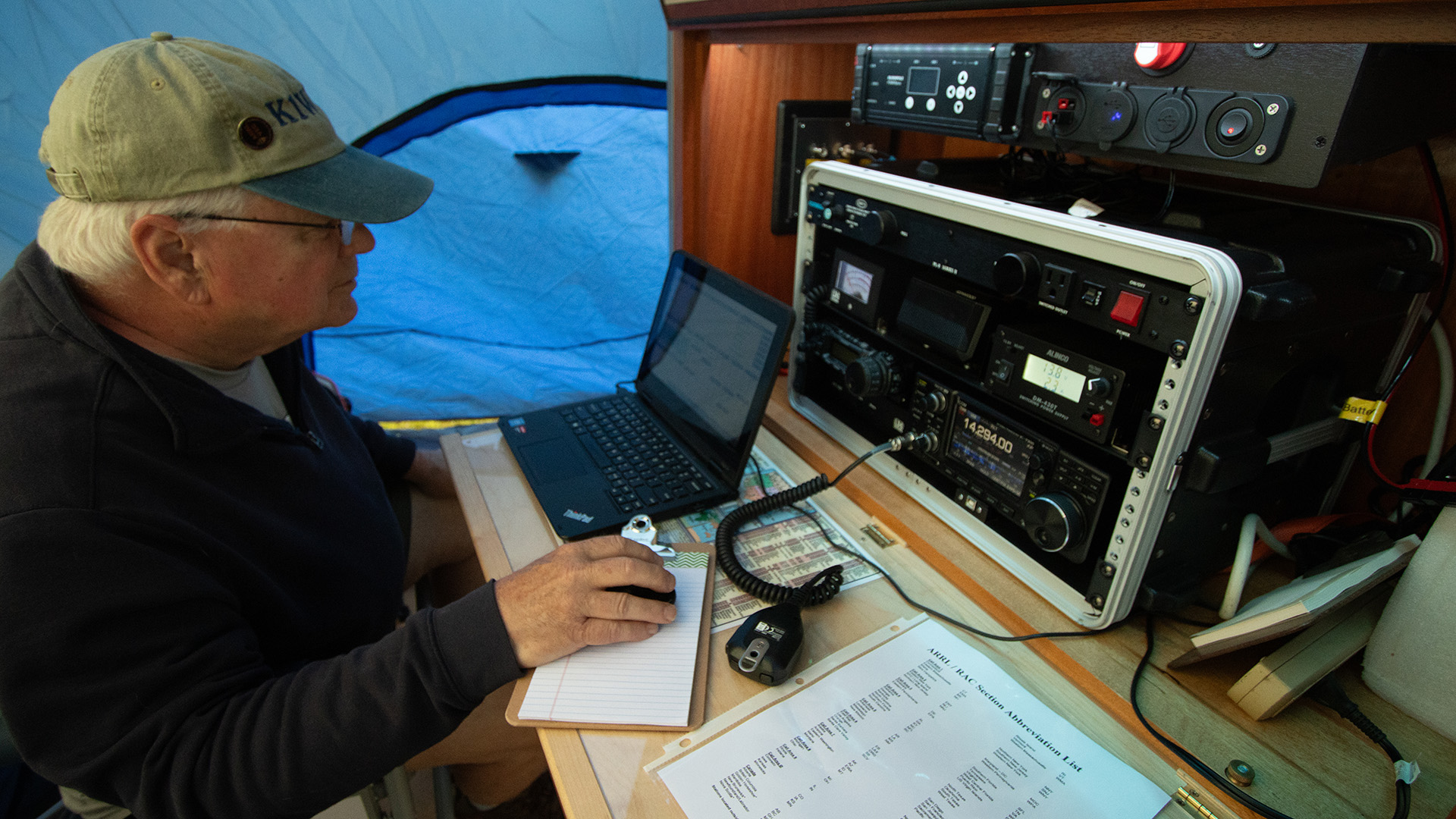
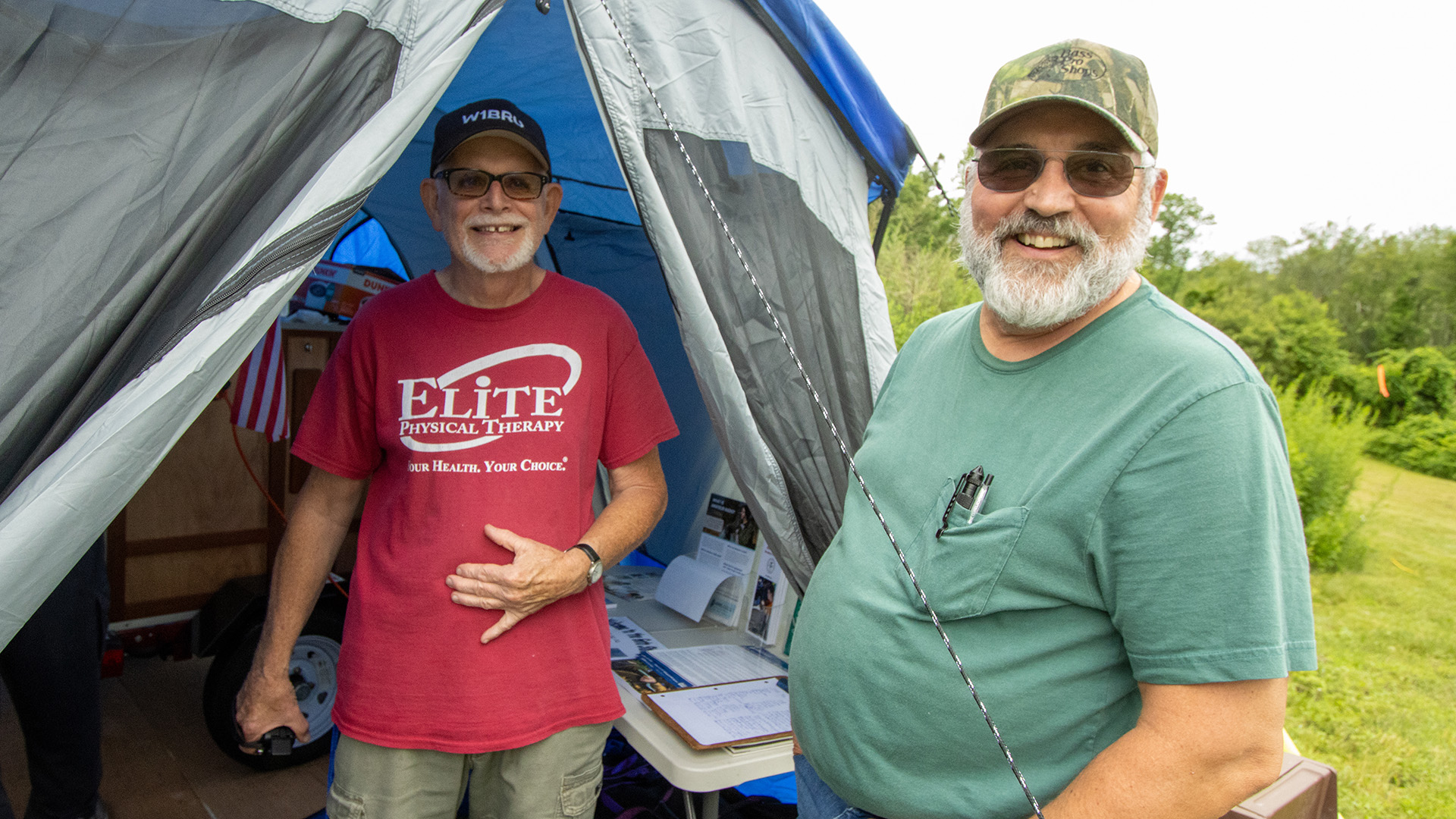
ARRL Field Day
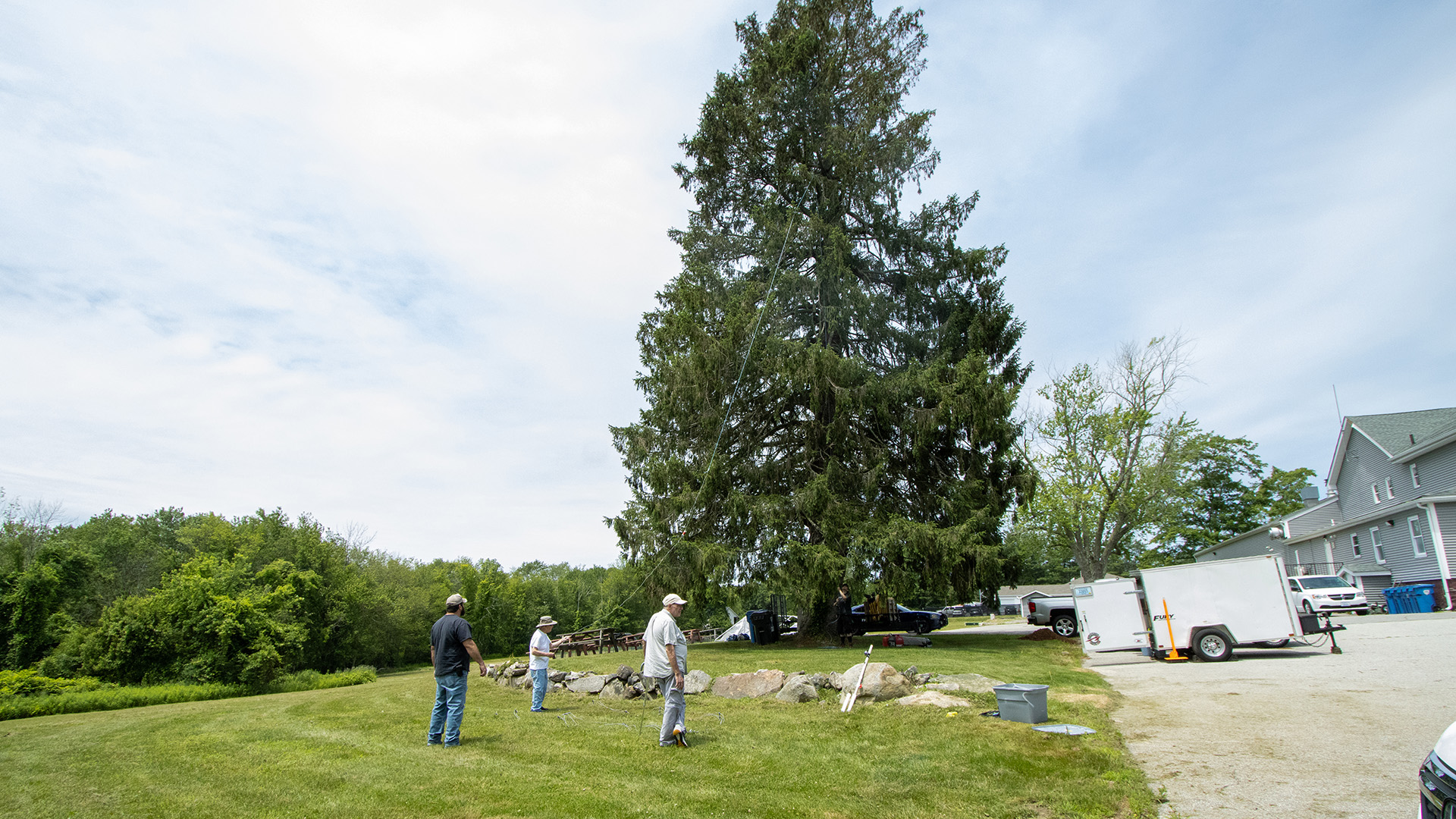
The Blackstone Valley Amateur Radio Club will join with thousands of Amateur Radio operators who will be showing off their emergency capabilities on the forth weekend in June. Over the past year, the news has been full of reports of ham radio operators providing critical communications during unexpected emergencies in towns all over the world including wildfires, winter storms, tornadoes, earthqukes and other events world-wide. During Hurricane Katrina, Amateur Radio – often called “Ham radio” - was often the ONLY way people could communicate, and hundreds of volunteer “hams” traveled south to save lives and property.
Get on the Air!
The Blackstone Valley Amateur Radio Club will have a "GOTA" station set-up at this years Field Day event. GOTA stands for "Get On The Air". This station is for unlicensed or newly licensed people that would like to see what Amateur Radio is all about. Experienced radio operators will guide you and help you make your first contact. Bring the kids! Fun for all ages!
You will be able to make contact with other hams from all over the country! The radio signals skip off of the atmosphere and travel great distances. You may even make a "DX" contact in Canada or Europe.


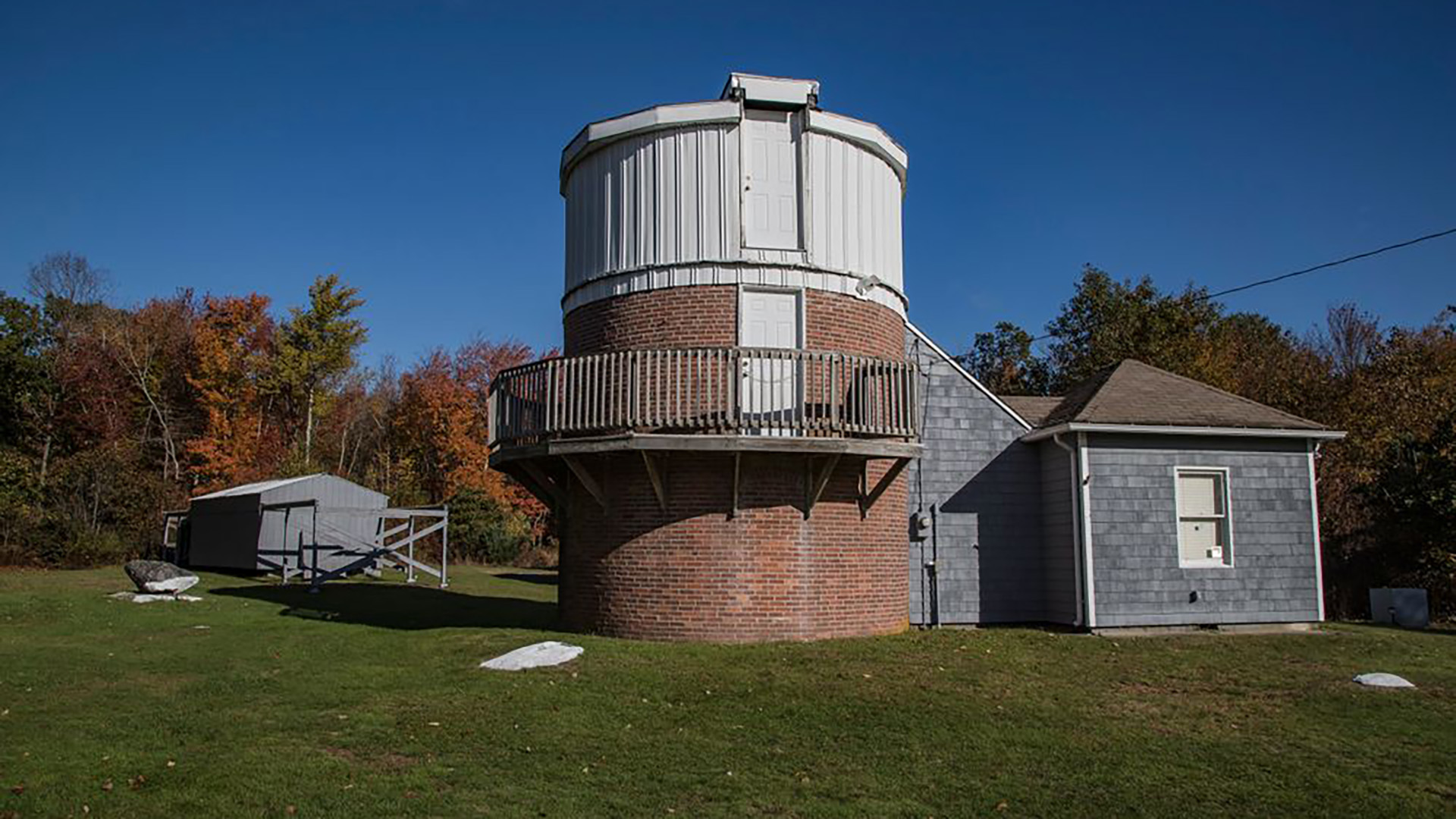
Seagrave Observatory
47 Peeptoad Rd, Scituate, RI 02857
The Seagrave Memorial Observatory in North Scituate, Rhode Island, is a historic astronomical facility built in 1914 by amateur astronomer Frank Evans Seagrave. Seagrave, a Providence-based observer known for his work on comets and asteroids, had the observatory constructed on a rural site along Peeptoad Road to escape urban light pollution. The structure features a distinctive silo-like design with a rotating dome supported by Civil War-era cannonballs as bearings, housing his prized 8¼-inch Alvan Clark refracting telescope (originally from 1878).
In 1936, the amateur astronomical society Skyscrapers, Inc. (founded in 1932 by Brown University professor Charles Smiley) purchased the observatory, which remains its headquarters today. The group continues to operate it for public education, offering free observing sessions on clear Saturday nights and programs for schools and groups. The site celebrated its centennial in 2014 and still serves as a key resource for amateur astronomy in Rhode Island.